
07 · Wool production
From Fleece to Bale: Why Wool Classing Protects South African Clip Value
Wool classing turns a variable biological product into lines that a processor can understand and buy with confidence. The process protects value by separating meaningful differences and preventing contamination from travelling through the clip.
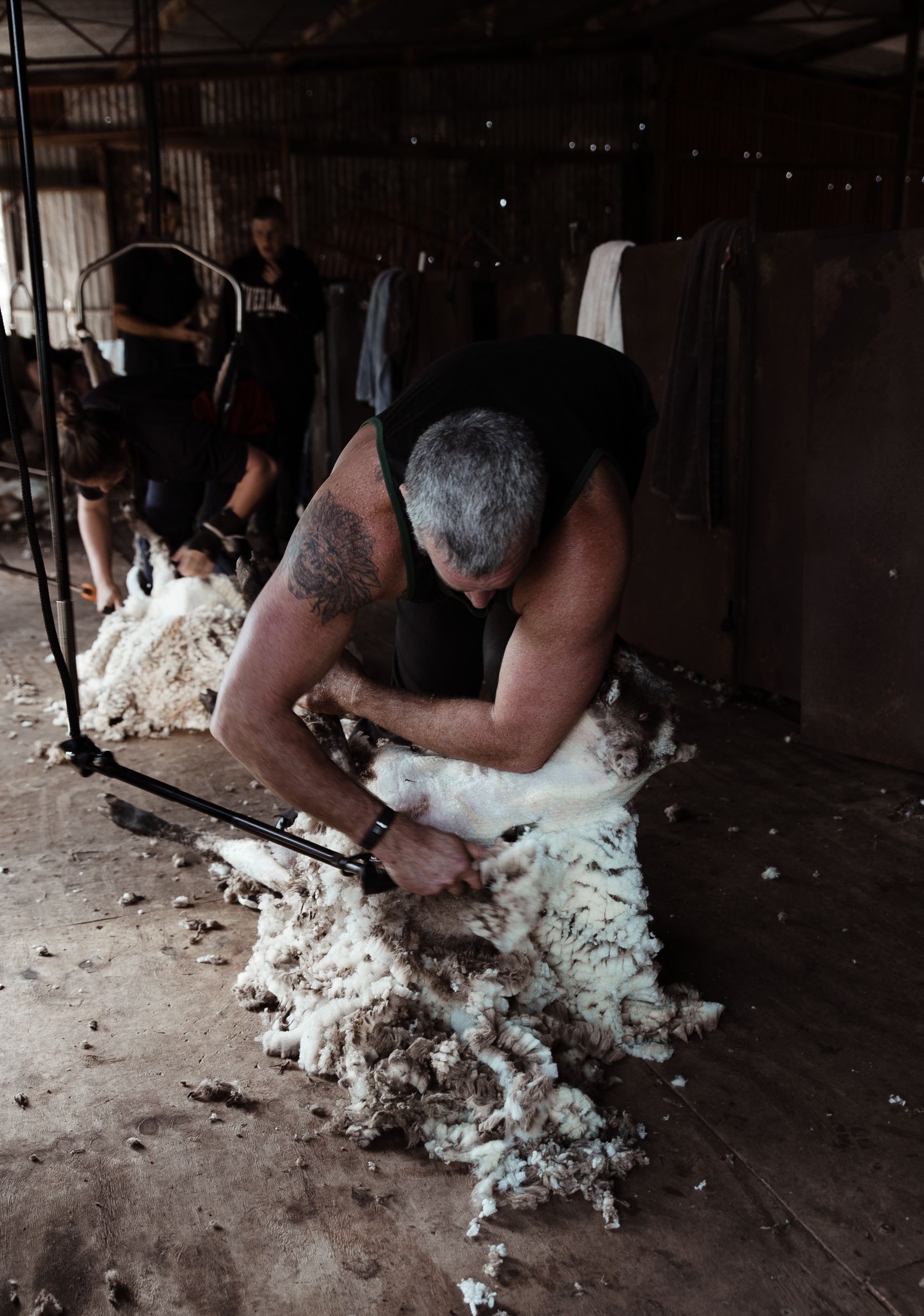
The fleece is not uniform
Wool from different parts of the sheep can vary in length, condition, appearance and contamination. The fleece is opened on the classing table, assessed and skirted so that short, stained or unsuitable portions do not reduce the consistency of the main line.
The classer considers physical characteristics such as length, tensile strength, fineness, quality, condition and appearance. These decisions must align with South African classing standards and the specific clip in front of the classer.
Uniform lines reduce processing uncertainty
Processors value predictable raw material. A bale that contains materially different wool creates risk in scouring, carding and spinning. Good classing groups similar wool while keeping lines large enough to market efficiently.
More classes are not automatically better. The skill lies in recognising which differences affect processing or price and which fleeces can responsibly remain together. Training and experience matter.
Shed preparation protects the result
A clean clip can be compromised by a dirty floor, synthetic twine, paint fragments, food packaging or poor separation between wool types. Prepare the shed before sheep arrive: clean surfaces, good light, clear bins, approved packs and a logical flow from shearing to table to press.
The shearing team, classer and presser should agree on responsibilities and marks. When a problem fleece appears, there must be a clear place for it to go without interrupting or contaminating the main line.
Labels and records are part of the product
Bale numbers, class descriptions, farm identity, classer information and weights allow the physical product to be reconciled with sale and test results. Records also help investigate claims and compare the outcomes of flock groups or seasons.
Photograph labelled bales before dispatch and reconcile the press book with transport documents. Small administrative checks are inexpensive compared with resolving a missing or incorrectly marked bale later.
Close the feedback loop
Test and sale information should be reviewed with the classing and production teams. If tenderness, contamination, length variation or yield is disappointing, connect the result to nutrition, health, shearing and storage records. Classing protects the clip, but long-term quality improvement returns to the flock and the farm system.
Evidence