
02 · Wool production
Premium Wool in South Africa: Six On-Farm Decisions That Shape Fibre Quality
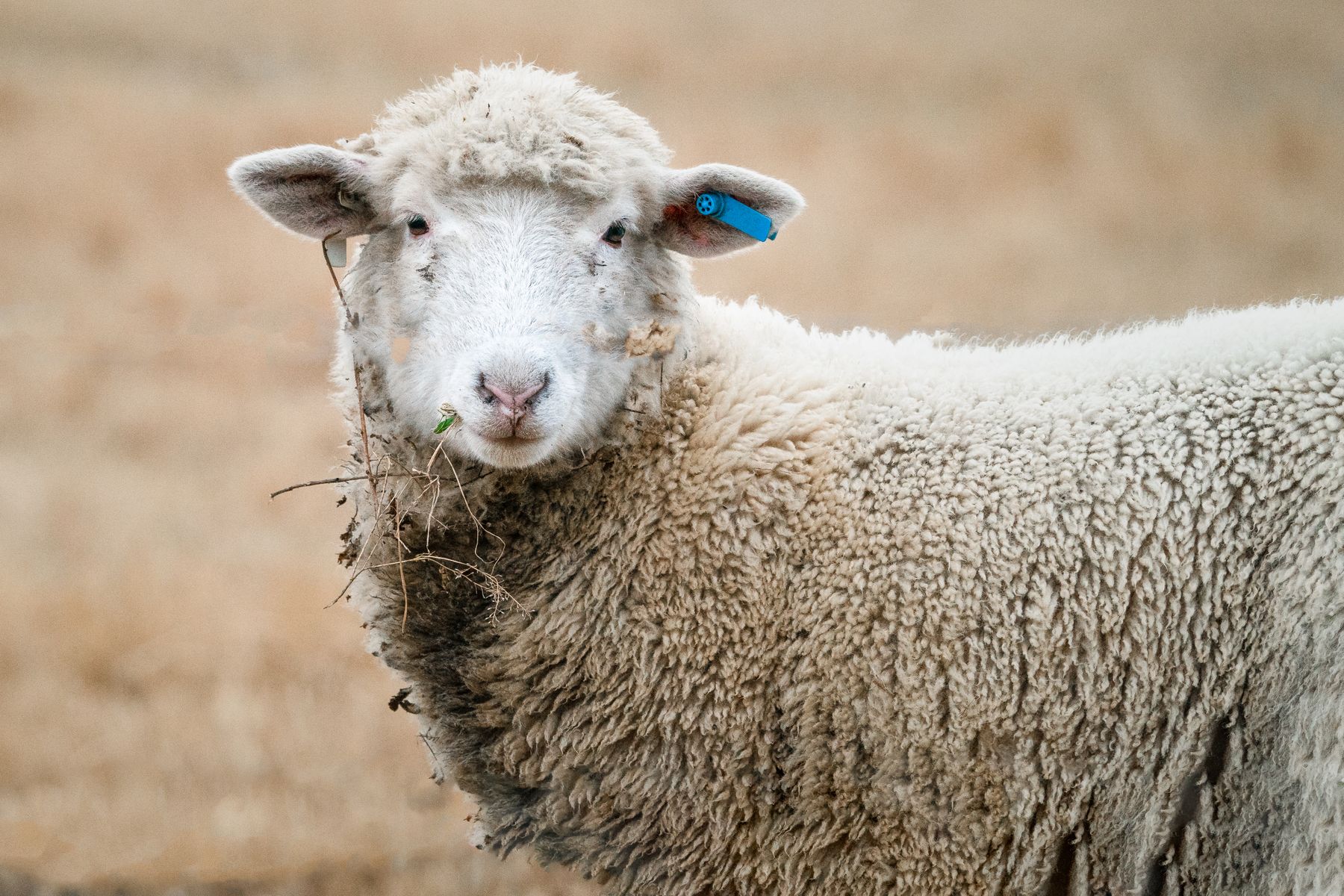
The shearing shed reveals wool quality; it does not create it. Staple strength, length, appearance and contamination risk reflect months of decisions about nutrition, genetics, health, grazing and handling.
1. Keep nutrition consistent through the fibre-growth cycle
Sudden nutritional setbacks can create a weak point in the staple. The National Wool Growers’ Association notes that feeding conditions influence tensile strength, which matters because tender wool is more likely to break during processing. A year-round feed plan is therefore part of quality assurance, not only animal maintenance.
Track body condition and expected feed gaps before they become visible in the fleece. Supplementation decisions should be based on animal class, forage analysis where available and professional nutrition advice—not on a late attempt to repair lost condition.
2. Breed for the environment and the market
Fineness is only one quality dimension. A breeding objective should balance fibre traits with fertility, constitution, mothering ability and suitability for the farm’s climate and grazing system. Chasing a single trait can increase management risk or reduce whole-flock performance.
Use objective records where possible and keep the buyer’s processing requirements in view. Consistency across a line is valuable because processors need predictable raw material, not a collection of exceptional but incompatible fleeces.
3. Make animal health and welfare routine
Disease, parasites, stress and poor handling can affect both sheep performance and the clip. A flock-health programme developed with a veterinarian should cover prevention, treatment records, withdrawal periods and the timing of procedures. Calm handling also reduces injury and unnecessary stress.
Responsible wool increasingly carries a provenance expectation. Buyers want evidence that welfare practices are embedded in daily management rather than assembled only when an audit or sale approaches.
4. Control contamination before shearing
Paint, baling twine, polypropylene fibres, excessive vegetable matter and dirty handling areas can reduce the value of otherwise sound wool. Remove contamination risks from camps, handling facilities and the shed well before shearing. Keep marking products and their use under control.
Prepare clean pens, adequate lighting, a sound shearing surface, classing space and approved packs. The physical flow of sheep and wool through the shed should prevent clean fleece wool from being mixed with stained, short or contaminated material.
5. Shear well, then class with discipline
Good shearing protects the animal and produces a fleece that can be handled efficiently. Once opened on the table, the fleece is assessed and skirted so that wool with different characteristics is separated. Length, strength, fineness, quality, condition and appearance all influence classing decisions.
Use an accredited or properly trained classer and maintain clear bale records. The goal is not to create many tiny lines; it is to create meaningful, uniform lines while isolating wool that could compromise them.
6. Learn from every clip
Sale and test results should return to the farm’s decision-making process. Compare outcomes with seasonal nutrition, flock groups, rams used, health events and shearing records. Over time, that feedback makes premium quality repeatable rather than accidental.
Evidence