
04 · Responsible livestock
Sheep Welfare and Traceability: What Responsible Agricultural Buyers Should Ask
Responsible sourcing is stronger when buyers ask for evidence that can be maintained in ordinary farm life. Welfare and traceability are not separate paperwork exercises: both depend on clear responsibility, competent handling and accurate records.
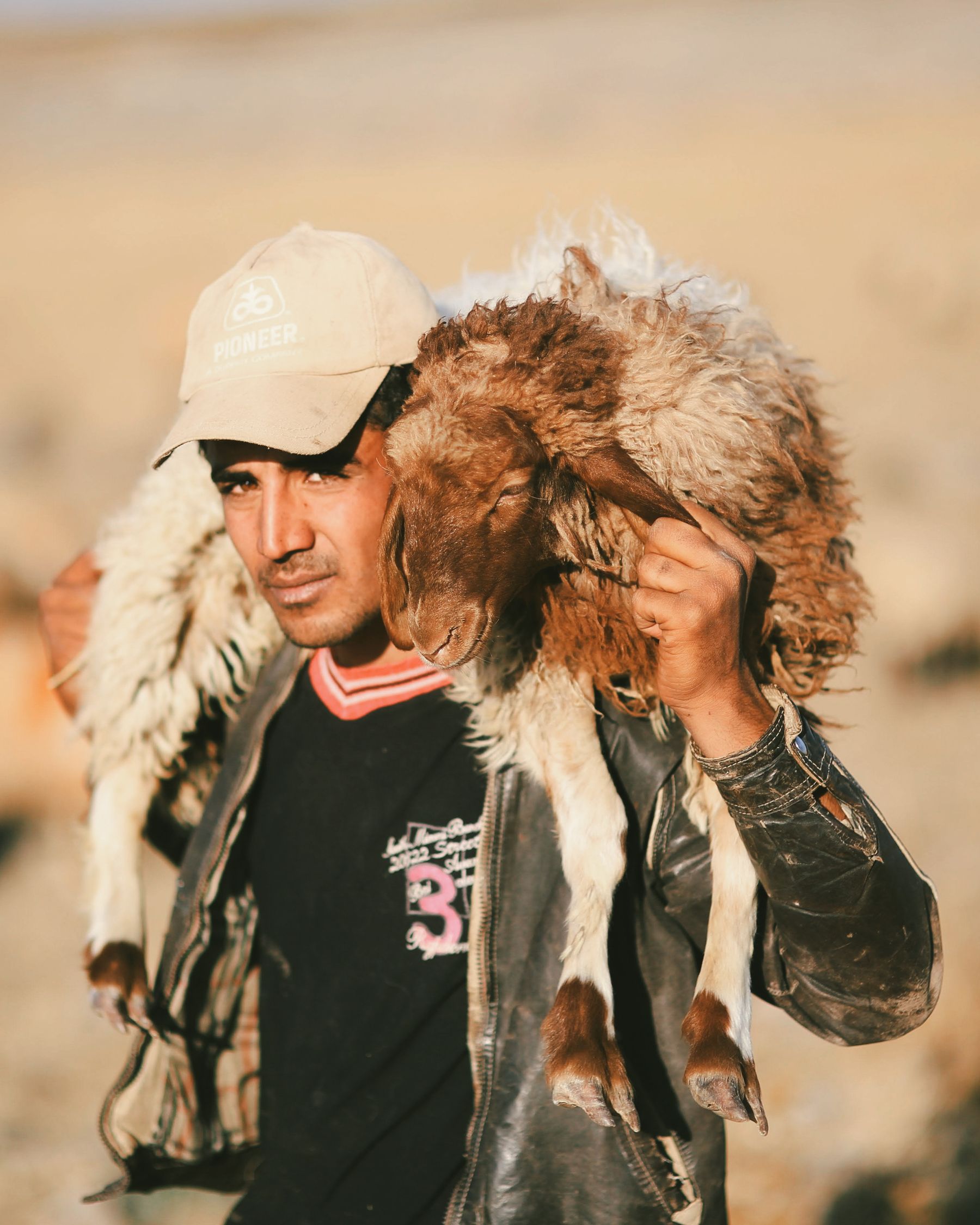
Begin with everyday welfare, not a sales-day inspection
Ask how the flock’s nutrition, water, shelter, disease prevention, parasite control and handling are managed across the year. A single clean pen or healthy-looking sale group cannot show the quality of the full system. Useful evidence includes health plans, treatment records, mortality review and body-condition trends.
Handling facilities should reduce slipping, crowding and injury. People working with sheep need to understand flock behaviour and use calm movement methods. Welfare quality is often visible in routine details long before formal certification enters the conversation.
Traceability starts with the establishment
A credible system identifies where animals are kept, who is responsible for them and how movements are recorded. South Africa’s livestock identification and traceability framework emphasises establishment identification, animal or group identification and the recording of movement events.
Buyers should be able to connect a consignment to a farm of origin, relevant identification marks or tags, dates and destination records. The exact requirement varies by market and animal class, but the principle is stable: origin and movement should not depend on memory.
Movement is a welfare and biosecurity event
Transport planning should cover fitness to travel, loading density, weather, journey time, competent handlers, access to water or rest when required and a contingency plan. The World Organisation for Animal Health treats animal welfare during transport as a shared responsibility across owners, handlers, transporters and facilities.
Documentation should be complete before loading. Health status, identification and any required certification need to match the animals being moved. When responsibilities are unclear at handover points, both welfare and traceability weaken.
Ask questions that reveal the management system
A responsible buyer does not need to turn every purchase into an audit. A short set of consistent questions can establish whether the supplier’s claims are supported and where additional verification may be needed.
- How are animals or groups identified, and how are replacements recorded?
- What health, treatment and withdrawal records accompany the flock?
- Who decides whether animals are fit to travel?
- How are origin, dates, quantities and destinations reconciled?
- Which welfare or responsible-wool standards guide daily practice?
Use traceability to improve, not only to prove
The best records do more than satisfy a buyer. They help a producer investigate disease, compare flock groups, manage treatments and learn from quality outcomes. Buyers can strengthen the system by agreeing on the small set of information they genuinely use and returning useful feedback to the farm.
Evidence