
06 · Soil health
Soil Health Under Grazing: Ground Cover, Rest and Water Infiltration
Soil health is often discussed through laboratory values, but a grazing farm also needs to read the surface: cover, litter, aggregation, roots, runoff and the speed at which plants recover after use.
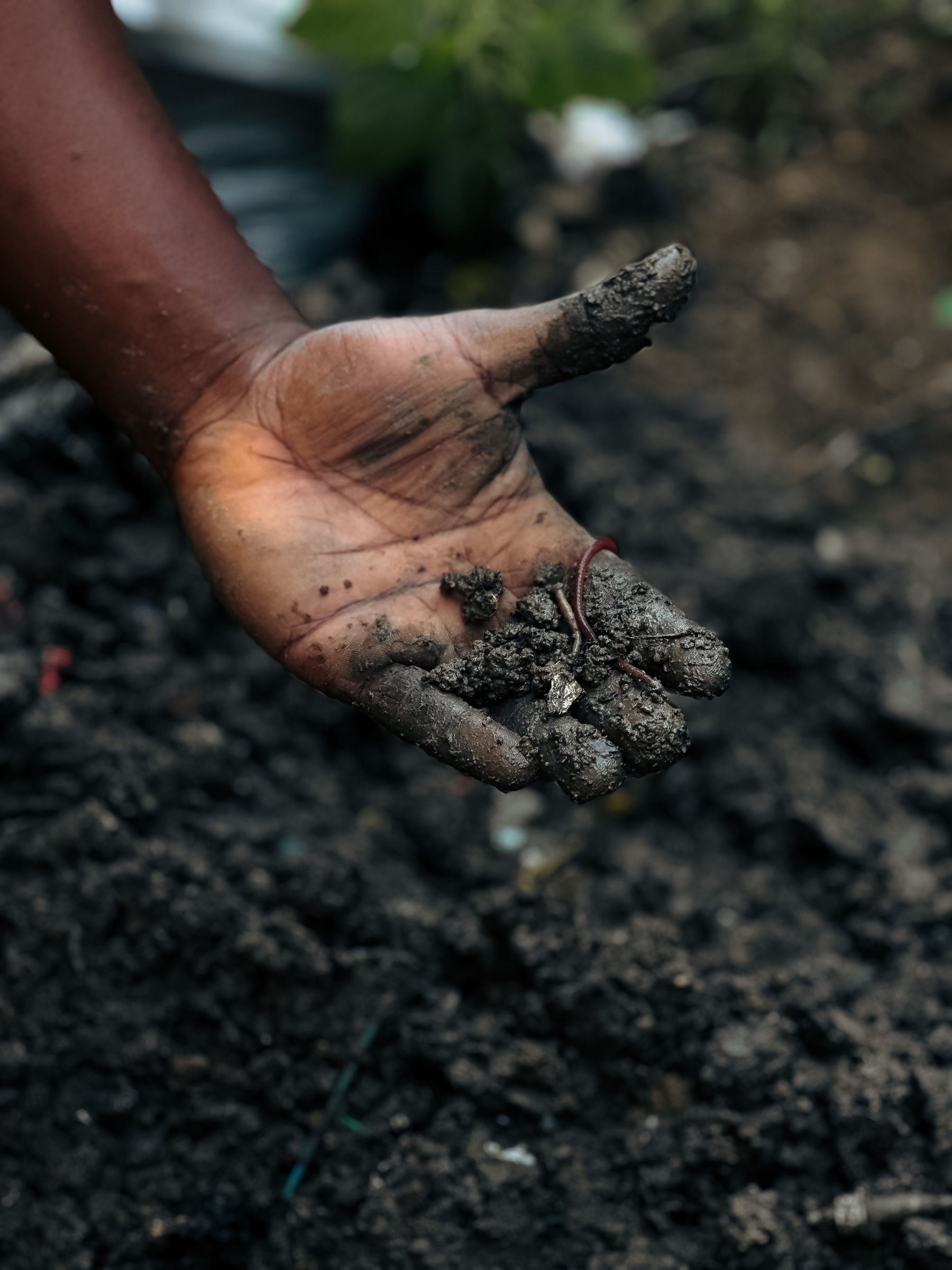
Think in processes, not a single score
Healthy soil supports water entry and storage, nutrient cycling, root growth and biological activity. No one field observation captures all of these processes. Combine laboratory analysis with repeatable observations in the same locations and seasons.
Useful field signs include the proportion of bare soil, surface crusting, litter cover, plant density, root depth, dung breakdown, runoff paths and sediment movement. Their trend is usually more informative than one isolated measurement.
Ground cover changes what rainfall can do
Vegetation and litter intercept raindrops, slow water movement and reduce the direct impact that can seal or detach soil particles. More water then has an opportunity to infiltrate instead of leaving the camp as runoff. Cover also shades the surface and can reduce evaporation extremes.
The right residual level depends on soil, slope, plant community, season and expected rainfall intensity. The management principle is to retain enough protection that the next storm becomes an asset rather than an erosion event.
Rest is biological recovery, not empty time
After defoliation, a plant needs leaf area, moisture and suitable temperatures to rebuild. A fixed number of rest days can therefore be too short in one season and unnecessarily long in another. Observe growth stage and recovery rather than using the calendar alone.
Repeated grazing of preferred plants before recovery can shift the plant community and reduce productive cover. Conversely, leaving material indefinitely without a clear objective can also change quality and utilisation. Adaptive management seeks the timing that meets both plant and livestock needs.
Manage concentration points deliberately
Troughs, gates, shade, handling points and feeding areas receive more hoof pressure and nutrient concentration than the rest of a camp. Move temporary infrastructure where practical, improve drainage and monitor these zones separately. They should not be allowed to define the condition of the entire paddock unnoticed.
After heavy rain, avoid unnecessary vehicle or animal traffic on vulnerable soil. Compaction and rutting can redirect future runoff and make a local problem expand downslope.
Build a monitoring habit the team can keep
A useful protocol can take ten minutes per camp: fixed photographs, a short ground-cover transect, notes on plant recovery and a record of visible runoff or erosion. Add grazing dates, stock numbers and rainfall so that the condition can be connected to management.
Review trends with an adviser at least seasonally. Soil improvement is gradual and weather creates noise, but consistent observations help distinguish a difficult season from a repeated management pattern.
Evidence