
01 · Land stewardship
Regenerative Grazing on Free State Sheep Farms: A Practical Starting Point
Regenerative grazing is not a fixed camp calendar or a fashionable label. It is a disciplined way of matching animal demand to the recovery capacity of the veld, then adjusting as rainfall, temperature and flock needs change.
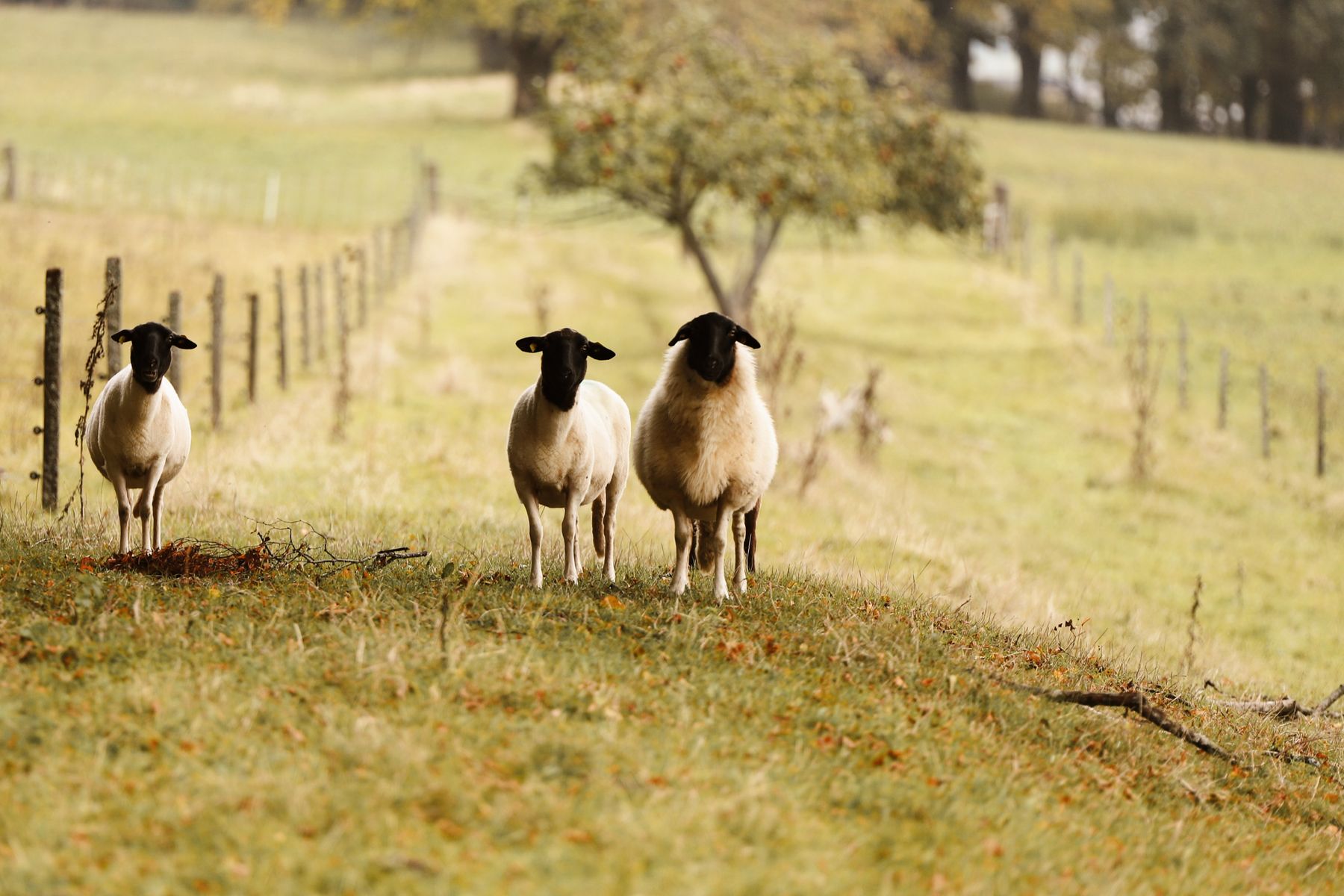
Begin with the land you actually have
A useful grazing plan starts with a baseline: camp size, dominant plant species, bare-ground percentage, access to water, recent rainfall and the number and class of animals to be carried. Free State farms can move from strong summer growth to long dry periods quickly, so a plan copied from another district may create false confidence.
Photograph fixed monitoring points and record the condition of each camp before changing stock movement. The aim is not to prove that a system works; it is to see whether plant cover, recovery and animal performance are moving in the right direction over several seasons.
Treat grazing and recovery as separate decisions
Shorter grazing periods can reduce repeated bites on newly growing plants, but only when the subsequent recovery period is long enough for the season. Recovery is usually faster in warm, wet conditions and much slower when growth is limited by cold or moisture. This is why a rigid rotation can become damaging even when it looks organised on paper.
The practical question is not simply how many days animals spent in a camp. Ask whether preferred plants were bitten again before leaving, whether litter and residual cover remain, and whether the next camp is genuinely ready. Movement should respond to those observations.
Protect the soil surface first
Ground cover moderates soil temperature, slows runoff and gives rainfall more opportunity to enter the soil. It also protects the surface from wind and raindrop impact. In a variable climate, leaving enough standing material and litter can be more valuable than extracting the final mouthful of forage.
Watch water flow after storms. Small rills, sediment below gates, capped soil and expanding bare patches are early warnings. They are often easier and cheaper to address through stocking and recovery decisions than after erosion becomes established.
Keep animal performance inside the plan
A grazing system is not regenerative if animals consistently lose condition, walk excessive distances to water or receive inadequate nutrition. Body-condition trends, lamb performance, health events and supplementary-feed use should be reviewed alongside veld indicators. Land and livestock outcomes must improve together.
Group animals according to nutritional demand where practical. Ewes in late pregnancy, growing lambs and dry animals do not require the same allocation. Matching the highest-quality forage to the highest-demand group can protect both production and the veld.
A sensible first 90 days
Start small enough to learn. Choose a manageable group of camps, set fixed photo points, estimate available feed conservatively and agree on clear movement and drought triggers. Review the results with an experienced grazing adviser rather than expanding because the first month looked promising.
- Map camps, water points and known erosion or pressure areas.
- Record rainfall, stock numbers, entry and exit dates, and recovery observations.
- Use a simple condition score for plants, ground cover and animals.
- Set a minimum residual-cover rule and a trigger for reducing demand.
- Review the evidence after a full growth and recovery cycle.
Evidence